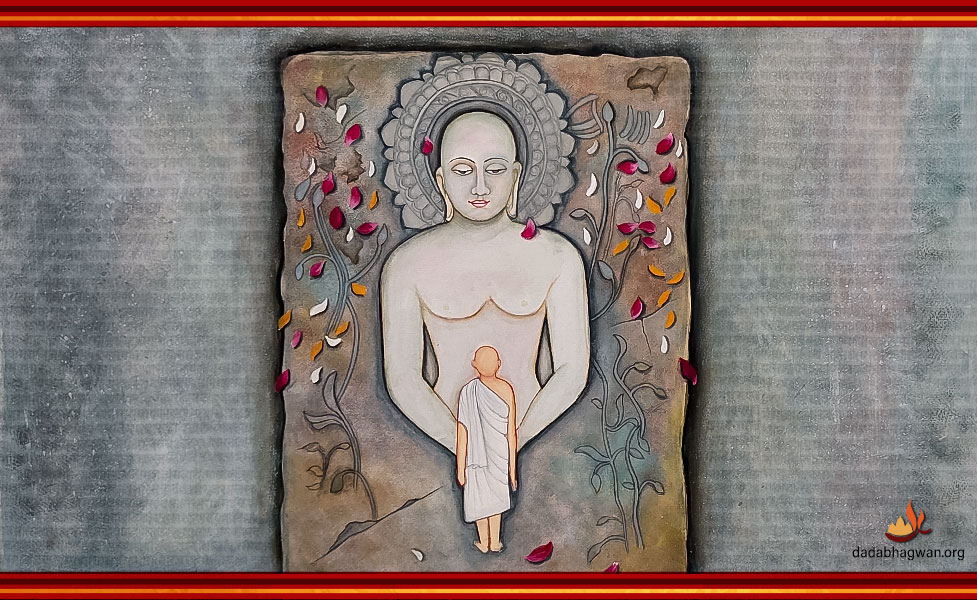
Sanctum · Pushpadanta Bhagwan

A Sacred Threshold

Enter the access code to begin your journey into the timeless wisdom of the Ninth Jain Tirthankara.

For Devotees · Scholars · Seekers

Pushpadanta Bhagwan — Suvidhinatha portrait
पुष्पदन्त · IX

A Soul of Two Names

The Ninth Light Among the Twenty-Four

Pushpadanta Bhagwan, also venerated as Suvidhinatha, is the ninth Tirthankara of the present descending half-cycle (Avasarpini) in Jain cosmology. His life stands as a luminous testament to the soul’s capacity to transcend every layer of karma and rest, eternally, in its own perfect nature.

The two names by which he is known carry profound spiritual meaning. Pushpadanta — "the one whose teeth shine like flowers" — speaks of a radiance so pure that even his physical form became a hymn to inner sanctity. Suvidhinatha — "the lord of right conduct" — proclaims the discipline by which he conquered passion, attachment and ego.

Born into the noble lineage of King Sugriva and Queen Rama at Kakandi, his birth itself was foretold by celestial omens — the gentle descent of his soul from the Vaijayanta heaven into the earthly plane signified the arrival of a great spiritual teacher whose life would re-illumine the eternal Dharma.

From earliest youth, Bhagwan revealed a mind of contemplative depth. Where others sought pleasure, he perceived impermanence; where others sought power, he sensed the fragility of every worldly throne. This inner vision would become the seed of his renunciation, his austerities, and finally, his attainment of Kevala Jnana — the omniscient knowledge of all things, in all times, in all dimensions.
Sacred Identity

The Defining Marks of the Ninth Tirthankara

Position
Ninth Tirthankara
of the Avasarpini
Sacred Names
Pushpadanta
Suvidhinatha
Symbol
Makara
(Crocodile)
Liberation
Mount Sammeta
Eternal Siddhahood
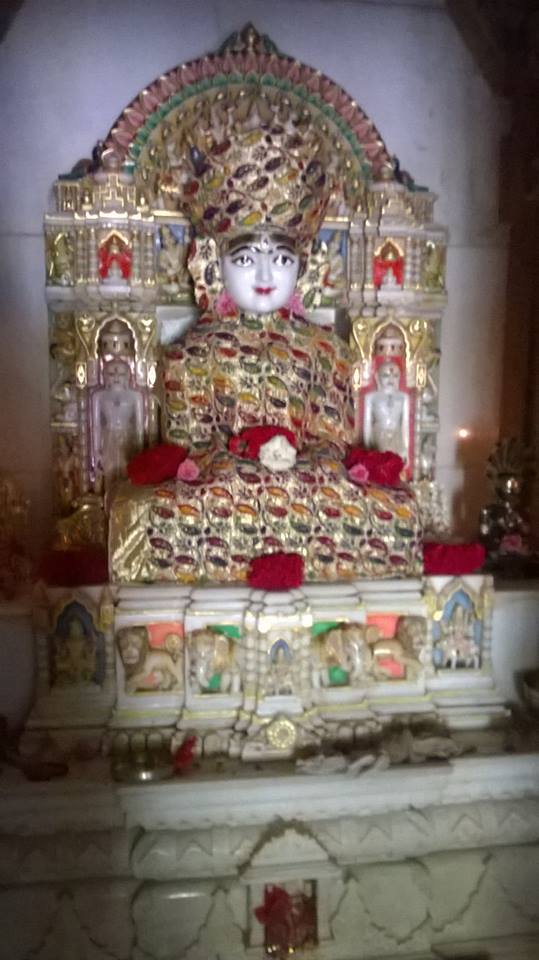
Sacred idol of Suvidhinatha at Bangalore temple

Importance in Jain Tradition

A Bridge Across the Cosmic Cycles

In the lineage of the twenty-four Tirthankaras — those rare souls who become "ford-makers" guiding humanity across the ocean of samsara — Bhagwan Pushpadanta occupies a position of profound importance. He arrived in an age when ancient teachings had begun to fade from human memory, and through his enlightened example, the Jain Dharma was restored to its pristine clarity.

His teachings rekindled the luminous understanding of anekantavada — the manifold nature of truth — and renewed the centrality of ahimsa as the supreme spiritual law. Devotees today continue to honour him as a teacher whose silence taught more than words, whose stillness moved more than action.

The two names by which we know him — Pushpadanta and Suvidhinatha — together offer the seeker a complete map: outward radiance born of inward discipline, sacred form arising from sacred conduct.

Spiritual Symbolism

The Sacred Iconography

Each Tirthankara is honoured through a distinct emblem — a visual gateway into their divine essence.

मकर

The Makara Emblem

The crocodile signifies the soul’s power to traverse the deep waters of worldly existence — undisturbed, unattached, eternally self-aware.

पुष्पदन्त

Radiant Purity

The name "flower-toothed" celebrates a being so pure that even outward form mirrors the soul’s inner sanctity — beauty as the language of the divine.

सुविधिनाथ

Lord of Right Conduct

Suvidhinatha — "the lord of proper observance" — embodies the principle that ethical action is the visible breath of inner truth.

Continue your journey through the divine life of Bhagwan Pushpadanta — from princely birth to eternal liberation.

View the Divine Journey